



Heat Pump or Furnace? The Real Numbers for Colorado Homeowners
Your Trusted Arvada Home Services


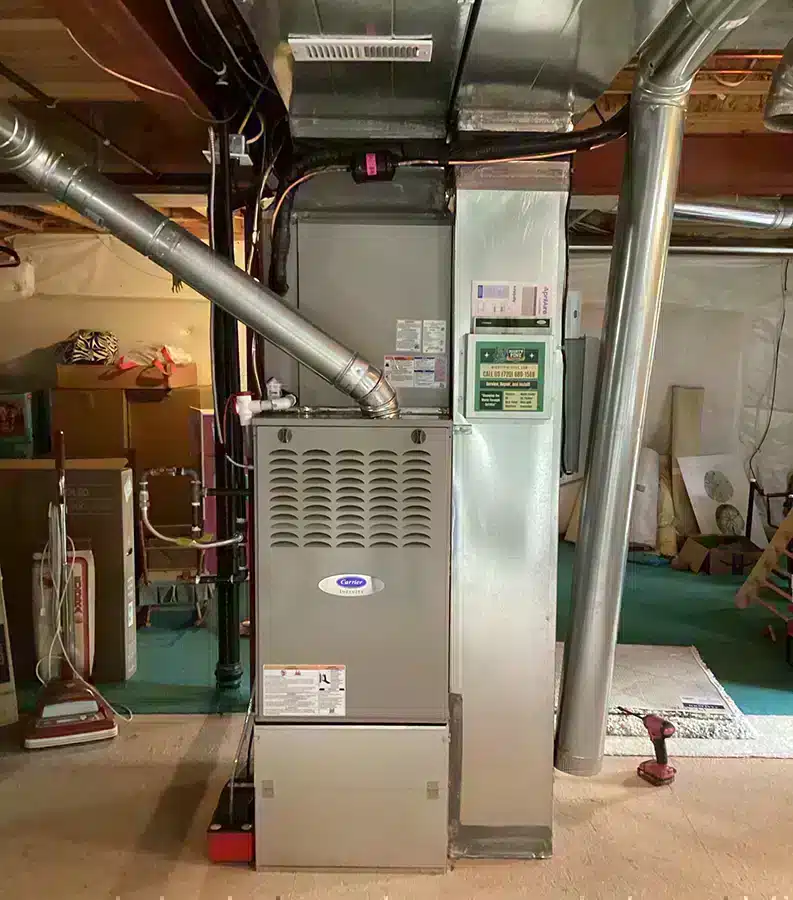
If your heating system is on its way out, you’ve probably already run into conflicting information about heat pumps versus a traditional furnace-and-AC setup. The debate is real, and so is the confusion.
At Mighty Pine Home Services, our Golden HVAC and Arvada HVAC specialists walk homeowners through this decision regularly, and there’s no single right answer — but there is a clear way to think through it.
The Upfront Cost Difference (and Why Rebates Change Everything)
Gas furnace + central AC: $6,000–$12,000 installed, depending on efficiency rating and home size. Familiar technology, predictable pricing.
Heat pump: $5,000–$15,000 installed. That range is wide because Colorado specifically requires a cold-climate model. A standard heat pump isn’t built for Front Range winters, and efficiency drops sharply once temps fall below its rated threshold.
Before the sticker price discourages you: qualifying heat pump installations can come with up to $8,000 back through federal tax credits and Xcel Energy rebates. The current rebate options are worth looking at before you decide anything.
Worth noting: Mighty Pine installs Quilt heat pumps, which are engineered specifically for cold climates. They’re built to perform at temps where standard heat pumps start struggling — a meaningful distinction in Colorado — and they qualify for the same rebates and tax credits as other cold-climate systems.
What You’ll Actually Spend Month to Month
A furnace burns gas to produce heat. A heat pump moves existing heat from outside air into your home, which takes far less energy than generating heat from scratch.
In mild to moderate temperatures, heat pumps typically deliver 2 to 3 units of heat energy per unit of electricity consumed. Across a full year of heating and cooling in Denver, that efficiency advantage can translate to several hundred dollars in savings.
The important nuance: efficiency drops as outdoor temps fall. Below roughly 5 to 10°F, a standard heat pump struggles and leans on electric resistance backup heat, which is expensive. This is exactly why cold-climate models like Quilt matter in Colorado — they’re rated to operate efficiently well below that threshold, which keeps your backup heat from running up your bill during the coldest stretches of the year.
The Comfort Difference Most People Don’t Expect
Furnaces heat fast and in bursts. The system fires, pushes hot air through your vents, overshoots the thermostat target, shuts off, and the cycle repeats. You stay warm, but temperature swings are part of the deal.
Heat pumps run at lower intensity for longer periods, which produces steadier, more consistent temperatures throughout your home. Homeowners who switch often notice the difference — rooms feel more evenly conditioned rather than cycling between warm and slightly too cool.
For cooling, a heat pump performs the same as a standard air conditioning system. The refrigeration cycle is identical, just running in reverse for heating.
If certain rooms in your home never quite get comfortable, ductless mini splits are worth a look. They’re a heat pump format that works room by room without requiring changes to your existing ductwork.
How Long Each System Lasts
Gas furnaces regularly hit 15 to 20 years with proper upkeep. Central AC units average 12 to 15 years. Because they age at different rates, you’ll likely be replacing them at separate times — two projects, two costs, two disruptions.
Heat pumps handle both heating and cooling and typically last 12 to 15 years. Shorter individual lifespan, but one replacement instead of two.
Consistent heat pump maintenance is what keeps any system on the longer end of that range. Skipping annual tune-ups is where systems age faster than they should.
Why a Hybrid System Might Be the Smartest Move
A hybrid setup pairs a heat pump with a gas furnace as backup. The heat pump carries the load during mild and moderate temperatures, which covers the majority of the Denver Metro year. When temperatures drop into serious cold, the furnace takes over automatically.
This approach gets you heat pump efficiency for most of the year without giving up gas power when you need it most. For homeowners with a furnace that still has a few years left, a hybrid system can be a smart upgrade rather than a full replacement.
The heating installation for a hybrid setup is more involved than a straight swap, so it’s worth having a technician assess your current equipment before committing.
Which One Makes Sense for Your Home?
A well-insulated newer home in the Denver Metro or Golden might do great on a heat pump alone. An older home with significant heat loss might be better served by a hybrid system or a high-efficiency furnace. Your current equipment, utility rates, and how long you plan to stay in the home all factor into what actually pencils out.
If a heat pump is the direction you’re leaning, Mighty Pine installs Quilt systems — cold-climate heat pumps built to handle Colorado winters without the efficiency cliff that trips up standard models. It’s one of the reasons we recommend them to Front Range homeowners specifically.
Book a free estimate with Mighty Pine Home Services and we’ll give you a straight answer on what makes sense for your specific situation.
Our Service Area
Serving Arvada and the greater Denver metropolitan area.
 All Service Areas
Join the Home Comfort Club
At Mighty Pine, we put your home’s efficiency and comfort first. Sign up for our Home Comfort Club now to take advantage of amazing deals and benefits.
Join Now