


Colorado Had One of Its Driest Winters Ever. Your Indoor Air Quality May Feel It This Summer.
Your Trusted Arvada Home Services


If you live along Colorado’s Front Range, you already know this past winter felt off. Barely any snow. Warmer temps than usual. Months of that dry, static-charged air that cracks your knuckles and makes your nose bleed.
Winter 2025-2026 was one of the hottest, driest, and least snowy on record statewide, and that’s worth paying attention to heading into spring and summer.
Mighty Pine Home Services works with homeowners in Arvada, Golden, and across the Denver Metro year-round, and indoor air quality is one of those topics that tends to come up a lot more once wildfire season gets going.
Why a Dry Winter Matters for Fire Season
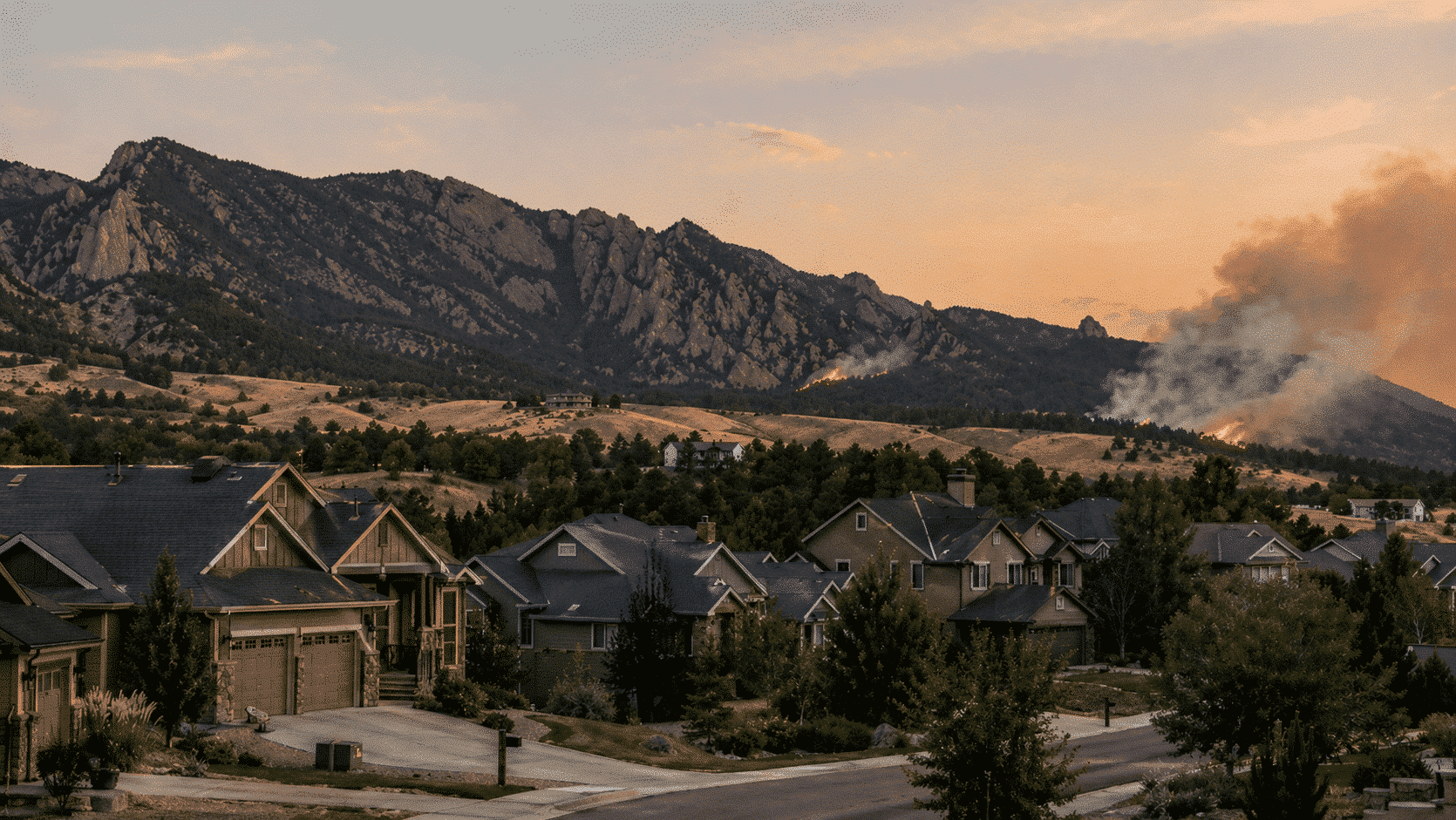
Colorado’s wildfire risk is closely tied to snowpack. A wet winter means soil and vegetation stay hydrated well into summer. A dry one like this past season means grasses and shrubs go into warm weather already moisture-depleted, which creates conditions for fires to develop earlier and spread more readily.
After this winter, snowpack across multiple Colorado basins came in well below average. That doesn’t mean every spring turns into a disaster, but it does mean conditions are worth monitoring. The Front Range and foothills communities, including areas around Arvada and Golden, can see smoke from fires burning miles away when wind patterns line up.
Wildfire Smoke and Your Home’s Air
Most people assume closing the windows is enough. It helps, but homes aren’t perfectly sealed. Smoke can work its way in through gaps around doors and windows, attic vents, and other small openings over time. During extended smoke events, indoor air quality can degrade noticeably even in well-maintained homes.
The fine particles in wildfire smoke, known as PM2.5, are the ones worth understanding. They’re small enough to pass through standard HVAC filters and small enough to irritate airways when inhaled over time. Your HVAC system isn’t doing anything wrong, it’s just that most residential systems weren’t designed with wildfire smoke specifically in mind.
Signs Your Indoor Air Quality Has Slipped
You don’t always notice poor air quality immediately. Some signs to watch for during smoke events:
- A lingering smoky or stale smell indoors
- Headaches or mild fatigue that ease up when you leave the house
- Eye, nose, or throat irritation
- Allergy or asthma symptoms flaring up more than usual
- HVAC filters looking dirtier than expected between changes
None of these are cause for panic, but they’re useful signals that your home’s air might benefit from some attention.
What You Can Do About It
The most effective upgrade is adding an air purification system to your existing HVAC setup. Air cleaners, air purifiers, and high-efficiency filters all work differently but share the same goal: filtering out particles and contaminants that basic filtration misses. These systems install directly into your existing equipment, so there’s no standalone unit to deal with, and they work throughout the whole house as air circulates.
Keeping air moving consistently is the other piece of the puzzle. Air purification works best when your HVAC is running regularly and cycling air through the filtration system, rather than sitting idle while particles accumulate.
A few other practical steps that help during smoky stretches:
- Keep windows and doors closed during active smoke events, even if it’s warm out
- Switch your HVAC to recirculation mode to avoid pulling outdoor air in
- Check your air filter more frequently and replace it when it looks loaded
- If you have a ductless mini split, clean its filters regularly since they pick up particulates quickly
FAQs About Wildfire Smoke and Indoor Air Quality
<strong>Can wildfire smoke actually affect air quality inside my home?</strong>
It can, especially during extended nearby smoke events. How much depends on how well-sealed your home is, how long the smoke lingers, and what kind of filtration you have running.
<strong>Is a standard air filter enough?</strong>
For everyday dust and allergens, yes. For fine wildfire smoke particles, a standard 1-inch filter has its limits. Higher-MERV filters or a dedicated whole-home purification system handle that range more effectively.
<strong>How quickly do air purification systems work?</strong>
Most whole-home systems improve air quality within a few hours of operation. Because they tie into your HVAC, they work throughout the entire house at once rather than one room at a time.
<strong>Is this kind of investment worth it in Colorado?</strong>
Beyond wildfire season, whole-home air purification also handles dust, pollen, pet dander, and household odors year-round. For a lot of homeowners, it’s not just a wildfire decision, it’s a general quality-of-life upgrade.
Getting Ahead of It
The easiest time to address indoor air quality is before conditions deteriorate, not during an active smoke event when everyone else is thinking about it too. If you’re in Arvada, Golden, or anywhere across the Front Range and you want to know what your options look like, Mighty Pine Home Services can take a look at your current setup and point you in the right direction.
Reach out to schedule a consultation and we’ll help you figure out what actually makes sense for your home.
Call (720) 538-8755Our Service Area
Serving Arvada and the greater Denver metropolitan area.
 All Service Areas
Join the Home Comfort Club
At Mighty Pine, we put your home’s efficiency and comfort first. Sign up for our Home Comfort Club now to take advantage of amazing deals and benefits.
Join Now